












Email marketing is one of the oldest, yet still remarkably effective tools in the digital marketing arsenal. Despite the dynamic growth of new communication channels such as social media, podcasts or mobile apps, email remains an irreplaceable element of every marketing strategy. Its strength lies in the direct and personal form of communication with the recipient, as well as in the ability to reach them independently of the changing algorithms of social media platforms.
Building and maintaining your own list of subscribers is an investment that brings independence from external factors. Instead of relying on unpredictable algorithms, you gain control over your communication, which allows for more personalised and effective campaigns. In this article, we take a step-by-step look at what email marketing is and how it works.
What is email marketing?
Email marketing is a strategy that uses email messages to promote products and services, build relationships with recipients and generate sales. Through this channel, you can reach your target audience directly, offering them valuable content, offers or information that increases their engagement and loyalty towards your brand.
Modern email marketing is closely linked to marketing automation, that is, the automation of marketing processes. This allows you to create personalised email messages that reach recipients at the right time, based on their behaviour and preferences, which significantly increases campaign effectiveness and boosts the chances of conversion.
Historical background:
Email marketing has its origins in 1978, when Gary Thuerk from DEC sent the first mass message promoting products. Although it only reached around 400 people, it became one of the first examples of this tool being used. Over the years, as technology developed, email marketing came a long way: from simple, one-off product promotion messages to advanced automated campaigns that use artificial intelligence, segmentation and personalisation. Today, email is one of the main tools used in communication, retention and loyalty strategies within digital marketing.
Its place in the overall digital marketing strategy:
Email marketing is a key element of the overall marketing strategy, serving a communication, retention and loyalty-building function. It acts as a link between the brand and its recipients, ensuring consistent communication at every stage of the buying journey: from the first contact, through interest in the offer, to customer retention.
How email marketing works: the process step by step
Acquiring recipients
The first step in building an effective email marketing campaign is acquiring subscribers. This can be done using sign-up forms on your website, lead magnets (e.g. free ebooks, samples), competitions, and also through social media.
List segmentation and targeting
After building up a subscriber base, the next step is segmentation: dividing recipients into groups according to various criteria, such as age, location, interests or purchase history.
Campaign creation
Next, the campaign is prepared, which involves choosing the type of message (newsletter, promotional, informational), the content, graphics and the Call to Action (CTA).
Sending and automation
Email marketing automation allows messages to be sent based on specific events (e.g. cart abandonment) or at a specific time, which increases effectiveness and recipient engagement.
Results analysis and optimisation
After sending a campaign, you need to regularly monitor the results, analyse metrics such as opens (open rate), clicks (CTR) and conversions, and then optimise your campaigns to achieve better results in the future.
Acquiring recipients and building a quality list
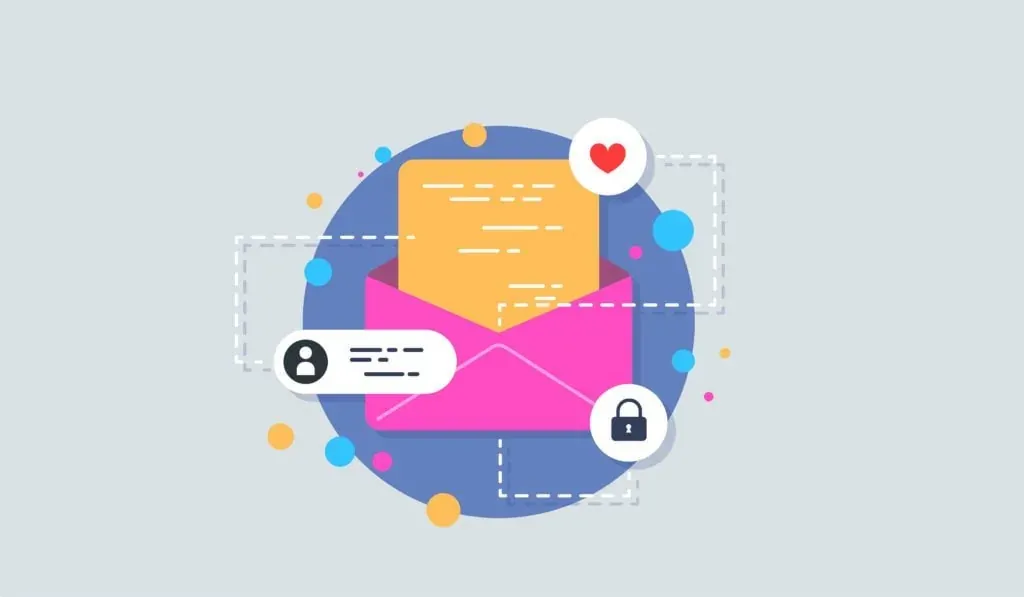
To run email marketing campaigns effectively, it is essential to build a solid list of recipients. However, acquiring subscribers is only the beginning: it is important that your list is high quality, compliant with legal regulations and constantly updated.
Legality and consent: GDPR, opt-in / double opt-in
First and foremost, acquiring subscribers as part of email marketing must comply with applicable regulations, in particular GDPR. This means that everyone who signs up to your list must give their consent. The opt-in system, a mechanism in which the user gives voluntary, active consent to receive specific information or services, is a basic element that ensures compliance with the regulations. In addition, with double opt-in, users must confirm their consent by clicking a link sent to their email address. This solution ensures a higher-quality database by eliminating the risk of adding fake or accidental subscribers.
Ways to acquire subscribers
Subscribers can be acquired effectively in various ways:
- Sign-up forms on your website: By placing forms on key pages of your website, you can easily encourage visitors to sign up for your newsletter or mailing list.
- Lead magnets: Offers such as free ebooks, reports, product samples or access to exclusive materials are an attractive incentive to sign up.
- Competitions and promotions: Running competitions or offering promotions in exchange for a newsletter sign-up is another way to attract new subscribers.
Buying a database vs building your own
Although building a subscriber base can be time-consuming, it is worth focusing on organic list building. Buying ready-made databases may seem tempting, but it carries many risks. Subscribers who have not consented to receive your messages may report you as spam, which will negatively affect your sender reputation and campaign effectiveness. In addition, such a database will not be well segmented, which means your messages may be ineffective.
Maintaining list quality
Regularly cleaning your subscriber list is a key process that helps maintain a high-quality database. This includes removing inactive subscribers who have not opened your emails or clicked on links for a long time. Such people can negatively affect your metrics (e.g. open rate, click-through rate).
Formats and types of messages in an email marketing strategy
Email marketing offers a wide range of message formats and types that can be used at different stages of the purchase cycle. A key aspect is adapting the form of the content to the recipient's needs and the campaign's goal.
Informational and educational newsletters
One of the most popular formats is the newsletter, which can serve an informational or educational function. These emails offer subscribers valuable content, tips, blog articles and news from your industry. Sending such newsletters regularly helps keep the brand top of mind for recipients and build long-term loyalty.
Promotional campaigns and discount codes
Emails promoting special offers, discounts or discount codes are formats that generate direct conversions. They allow you to encourage subscribers to make a purchase by offering them attractive terms. The key to success here is appropriate content personalisation and matching offers to database segments.
New product catalogues
Sending emails with catalogues of new products or services is one way to keep subscribers interested. These types of messages can include detailed descriptions of new products, photos, and recommendations based on the subscriber's purchase history.
Automated messages
Automated messages, such as welcome emails and abandoned cart reminders, are an effective tool for maintaining contact with customers. They allow for instant responses to user behaviour and increase the chances of conversion.
Transactional and service messages
Although transactional emails, such as order confirmations or status updates, are not always classified as part of email marketing, they are still important in a complete communication strategy. Their purpose is to provide customers with the necessary information, which contributes to a positive experience with the brand.
Measuring results and key metrics
Measuring email marketing results is key to optimising your activities and improving the effectiveness of future campaigns. There are several basic metrics that allow you to assess the success of a campaign.
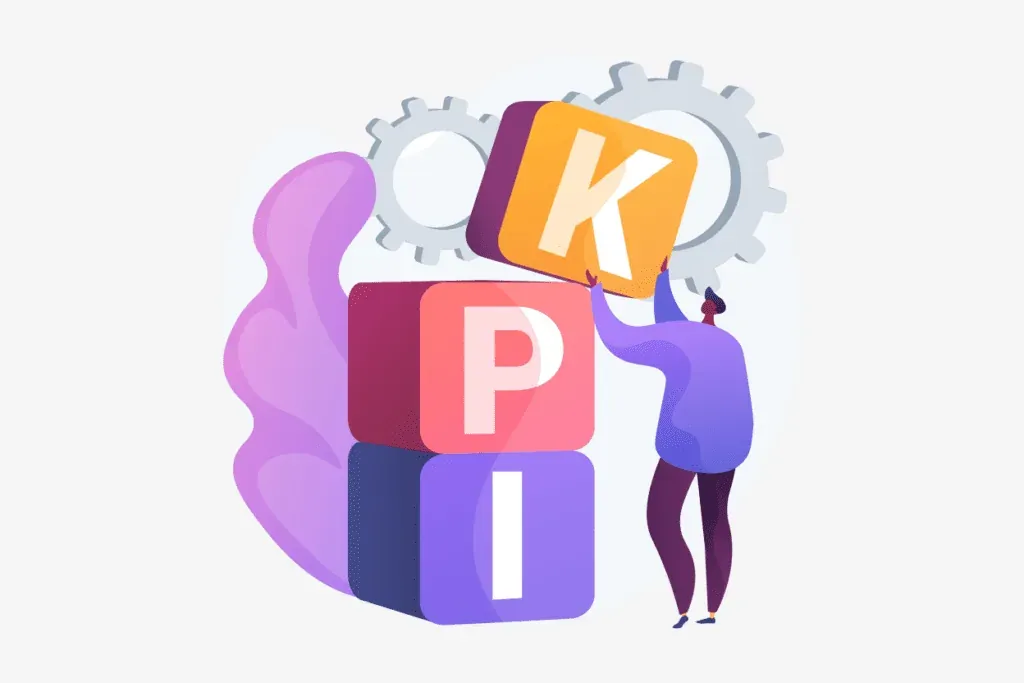
KPIs in email marketing:
- Open Rate This is one of the most important metrics, showing how many people opened the email you sent. A high open rate indicates, among other things, that the subject line was appealing and caught recipients' attention. However, it is worth remembering that many factors affect this metric, including sending frequency, the recipient segment and the time of sending.
- Click-Through Rate (CTR) This is a metric that shows the ratio of unique clicks on a link included in the message to all delivered emails.
- Click-to-Open Rate (CTOR) CTOR measures what percentage of recipients who opened your email clicked on the link it contained. This is a more precise metric, as it only takes into account users who actually opened the message.
- Conversions and ROI (Return on Investment) Measuring conversions is a key way to check whether an email campaign is delivering the desired results, such as a product sale, an event sign-up or an ebook download. ROI is a return-on-investment metric that measures the effectiveness of an investment through the ratio of profit to the costs incurred.
How to interpret the results?
The results of an email campaign should be interpreted in the context of the specifics of the industry you operate in. What is considered a good result in one industry may not be sufficient in another. Different sectors may have different norms and expectations regarding metrics such as open rate or CTR. It is also worth taking into account factors such as the campaign's goal, the type of content and the nature of the recipients, as all these elements affect the final result. That's why comparisons to industry benchmarks are helpful, but they should not be the only measure of a campaign's effectiveness.
Best practices in email marketing
For email campaigns to be effective, it is worth following a few basic rules. Applying best practices not only increases the effectiveness of the messages sent but also helps avoid problems related to deliverability and declining engagement.
Content personalisation
One of the key elements of an effective email marketing campaign is personalisation. By segmenting your subscriber base, you can deliver content tailored to their needs and preferences, for example by using the recipient's first name or recommending products based on their purchase history.
Subject line: the key to success
The subject line is the first thing a recipient sees in their inbox. Whether they decide to open the email largely depends on how appealing and eye-catching the subject line is. It should be short and concise, but also interesting enough to encourage a click.
CTA and message structure
The CTA (Call to Action) is one of the most important elements of any email. It should be clearly visible, easy to click and motivate action. The structure of the message also matters: a clear content hierarchy, readable paragraphs and appealing graphics help the recipient absorb the information more quickly.
A/B testing and optimisation
Regular A/B testing of different email versions (e.g. subject lines, content, CTAs) allows you to optimise your campaigns. Monitoring results such as open rate, CTR or conversions allows you to better match the content and form of your messages to your recipients' preferences.
Trends in email marketing
Email marketing is a dynamically developing field that keeps adapting to changing user needs and new technologies. It's worth staying on top of trends to maximise the effectiveness of your campaigns and remain competitive.
“1:1” personalisation and dynamic creative
Email marketing increasingly relies on deep personalisation, which allows you to create messages tailored to a single recipient. Dynamic elements, such as changing offers or behaviour-dependent content, increase engagement and lead to higher conversions. Brands are increasingly building real-time communication to respond to users' current needs.
Artificial intelligence and generative content
AI supports email marketing at many levels, from predicting user preferences to automatically generating content. Generative models make it possible to create different message variants faster than ever, which shortens creative processes and makes testing easier. This makes campaigns more precise and better matched to recipients.
Mobile first and growing automation
Most messages today are opened on smartphones, so designing for mobile first is now standard practice. Integration with mobile devices and increasingly sophisticated automations make it possible to deliver emails at the perfect moment. Data-driven scenarios help guide the user through the entire customer journey.
Why is it worth investing in email marketing?
A channel that “belongs to the company”
Unlike social media, where content reach depends on algorithms, email marketing gives you full control over your list of recipients. Subscriber lists are an asset owned by the company, which means it can fully decide who receives messages and when.
Benefits:
- Speed: Email campaigns allow you to reach recipients instantly, enabling an immediate response to market changes, events or promotions.
- Low unit cost: The cost of sending a single email is very low compared to other forms of advertising, such as paid ads.
- Personalisation potential: Emails can be tailored to the recipient's needs, offering more personalised communication, which increases campaign effectiveness.
Comparison with other channels:
With social media, content reach depends on platform algorithms, which can limit the visibility of your posts. Paid advertising effectiveness, in turn, can depend on budget and market competitiveness. Email marketing gives you full control over your recipients, and sending costs are much lower, making it a more cost-effective solution in the long run.
Key takeaways and recommendations
Email marketing remains one of the most effective tools in digital marketing, as it allows you to reach recipients directly, build relationships and generate sales without depending on the algorithms of external platforms. Despite the growing popularity of other channels, it is email that gives brands full control over communication and enables the creation of long-term strategies based on valuable content. However, the effectiveness of this channel stems from consistent work on database quality, appropriate content adaptation and constant monitoring of results.
Key takeaways:
- Personalisation and automation: The key to success in email marketing is adapting content to the individual needs of subscribers and implementing automated scenarios that increase engagement and conversions.
- Subscriber base segmentation: The more precisely you segment your database, the better tailored and more effective your campaigns will be.
- Testing and results analysis: Regularly monitoring KPIs, A/B testing and campaign optimisation are key elements that allow you to improve effectiveness.
Start building your subscriber list today and implement proven email marketing strategies. Regularly monitoring results and adapting your activities to your recipients' needs will help you achieve long-term success in digital marketing.
Also check:

Have a question about this article? Write to us.