













How Much Does a Custom Online Store Cost?
Building a custom online store is an investment that can significantly affect the success of an online business. The cost of this process depends on many factors, such as the scope of features, individual design, integrations with external systems, and the level of project complexity. What does the cost of an online store look like when you choose a custom online store?
Custom Online Store: The Role of a Custom Store in Today's Business
A custom online store plays a key role in building a strong online presence. It lets business owners focus on uniqueness and adapting to customers, which translates into greater competitiveness and customer loyalty. Online stores have become a key element of modern e-commerce, allowing companies to reach a global market. In this context, a custom online store becomes not just a sales tool, but also a platform for building lasting relationships with customers.
One of the main costs associated with a custom store is graphic design. A unique, personalised design that reflects the character of the brand can generate higher costs, but it also affects the site's recognisability and appeal to potential customers.
Another element affecting the cost of an online store is the functionality of the custom store. The more advanced and tailored to your specific business the features are, the greater the financial outlay required. Integration with online payments, warehouse systems, or data analysis modules are additional costs you need to factor in.
Development costs also play a key role. Implementing custom features, testing, and adapting to changing technology standards are processes that require the involvement of specialists, which generates additional costs.
Beyond the initial costs, there are also expenses related to maintaining and updating the store. Running an online store means regularly adapting to new trends, software updates, and technical support are essential to keeping an online store competitive.
What Impact Does a Custom E-Commerce Store Have on the Customer Experience?
A custom online store has the potential to revolutionise the online shopping experience through personalised design, optimised features, and adaptation to individual customer needs. It's a key element in building customer trust and loyalty, allowing you to deliver a unique, individualised interaction during online purchases on an e-commerce platform.
Thanks to a carefully designed look and features tailored to a specific business, a custom store creates an atmosphere that goes beyond a standard shopping experience. It offers customers not just products or services, but also a personalised approach, which builds a bond between the brand and the consumer.
As a result, a custom online store becomes not just a place for transactions, but a space where customers feel individually valued and understood, which is a significant factor influencing their purchase decisions and loyalty to the brand.
What Exactly Is a Custom Online Store?

A custom online store is an e-commerce platform designed and adapted individually to the needs of a specific business. It's a solution that provides a unique look and set of features, different from off-the-shelf templates or CMS systems. This kind of project is characterised by individuality in design and flexibility when it comes to features tailored to the specific nature of the business, which sets it apart from off-the-shelf e-commerce platforms.
What Is a Custom Store? Definition of a Custom Store
A custom online store is a tailor-made e-commerce platform, adapted to the specific needs and business goals of a company. It's an individual solution distinguished by a unique design and set of features.
Key Features That Set a Custom Store Apart From Other Solutions
Compared to off-the-shelf e-commerce platforms or store templates, a custom store stands out for its flexibility, full alignment with the brand, and the ability to implement advanced features, which significantly raises its value.
How Do You Build a Custom Online Store? The Process of Creating a Custom Online Store
The process of building a custom online store is a key stage in creating an effective e-commerce platform. Focused on adapting to unique business needs and customer expectations, this process involves several key steps, starting with an analysis of goals through to testing and optimisation.
Analysis of Business Needs and Goals
Analysing business needs and goals is the foundation of the whole process. At this stage, the company's goals and customer expectations are analysed in detail. Understanding these elements lets you precisely define the features the store should offer, and what unique characteristics it should have in the context of the market.
Graphic Design of the Online Store
Once goals have been set, the focus shifts to graphic design, which involves creating a personalised design. A distinctive look for the store doesn't just attract attention, it also builds brand recognition. Through the use of personalised design, the store becomes visually appealing and aligned with the brand's visual identity.
Implementing Functionality in the Online Store
Next, developers move on to implementing the designed elements. Building out functionality tailored to business goals involves creating interactive, complex store features that together make up a comprehensive shopping experience.
Testing and Optimising the Store
The final stages involve testing and optimisation. Testing ensures the store runs smoothly, without errors, and that every feature meets expectations. Optimisation, meanwhile, lets you adapt the store to changing market needs and ensures it performs well across different devices. This matters for maintaining long-term competitiveness and customer satisfaction.
The whole process of building a custom online store requires collaboration across different disciplines, from business analysis to programming, graphic design and testing. As a result, the store becomes not just a place for transactions, but also a platform that effectively responds to customer needs and expectations.
What Factors Affect the Cost of a Custom Online Store?
Designing a unique look for a store can generate higher costs, but it also has a positive effect on how customers perceive the brand. Another important factor that will affect the price of an online store is functionality: the more advanced the features, the higher the costs associated with development and maintaining your store.
You should also pay attention to integrations with payment, warehouse, or analytics systems, which can generate additional costs while also increasing the store's effectiveness. The last important factor regarding the cost of building an online store is the investment in security and optimisation, which affects its long-term performance, although it can generate maintenance-related costs:
- Individual graphic design: Investing in a unique design can generate higher costs, but the added value for the brand and the differentiation from competitors are undeniable.
- Advanced functionality: The costs associated with implementing advanced features are justified by increased operational efficiency and adaptation to customer requirements.
- Integrations with external systems: Integrations are key to effective store management, but they can generate additional costs depending on the complexity of the systems involved.
- Security and optimisation: Investments in security and optimisation are essential for keeping the store running smoothly, although they can generate some maintenance costs.
Development and Maintenance Costs: The Cost of a Custom Online Store
Development costs aren't just developer salaries, they also cover outlays related to their experience and skills. The development team responsible for implementing features needs to be specialised, which can affect the cost of the project. In addition, development costs also include the purchase of licences for necessary tools, plugins and modules. Additional store maintenance costs include fees related to upkeep and updates, which are an inherent part of ensuring the store's long-term effectiveness.
First, regular online store updates are necessary to ensure compliance with new standards and security requirements. Technical support, while it generates costs, allows you to quickly resolve problems and respond to any failures. In addition, maintaining the server the store runs on requires regular financial outlay to ensure adequate throughput and data security, which is key to customer satisfaction and protection against potential cyberattacks.
What Are the Alternatives to a Custom Online Store?
Building a custom online store is an investment that requires time and resources. However, there are also alternative solutions worth considering, depending on your needs, budget, and business goals. In the context of alternatives to a custom store, it's also worth considering the SaaS (Software as a Service) model, which offers ready-made e-commerce solutions in the cloud.
This model is gaining popularity, offering companies easy deployment, maintenance and scaling of the store, but it also has plenty of drawbacks, among them that the cost of running an online store largely depends on the number of features.
E-commerce Platforms: PrestaShop, WooCommerce, Magento
Off-the-shelf e-commerce platforms such as PrestaShop, WooCommerce or Magento offer a fast, relatively cheap solution. They're characterised by ready-made templates and a simple store management system. These platforms are easy to configure, but at the same time less flexible when it comes to adapting to individual needs.
Of course, in these cases you can apply a hybrid approach that combines the benefits of ready-made solutions with a certain degree of customisation. An example would be using an off-the-shelf e-commerce platform while also adding custom features or integrations tailored to specific business needs.
An Online Store in the SaaS Model
Online stores in the SaaS model are solutions hosted and maintained by service providers. A company pays a subscription, which lets it use a ready-made e-commerce platform without having to manage the technical infrastructure or updates.
Examples of SaaS Platforms:
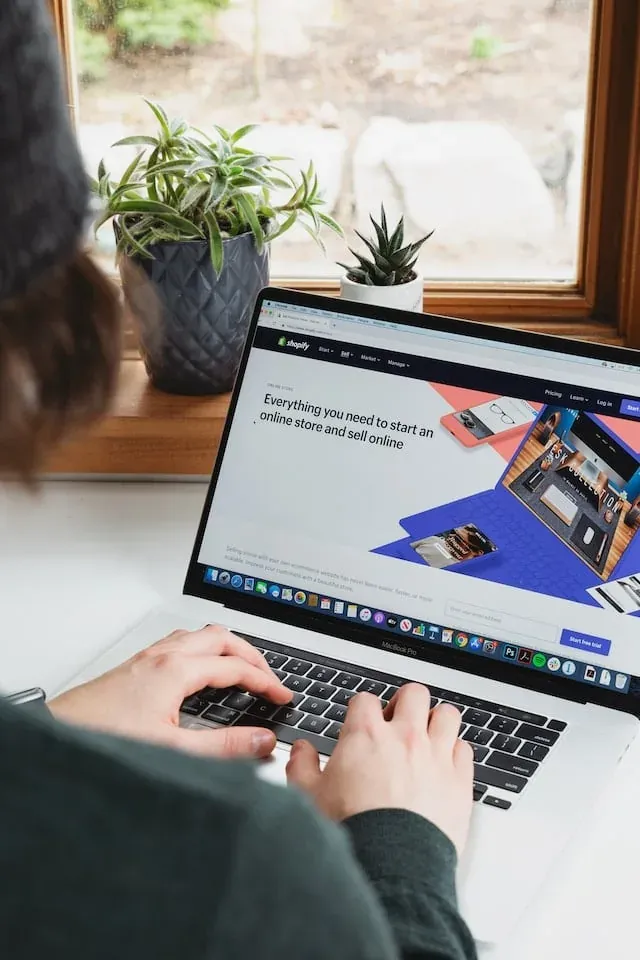
- Shopify: One of the most popular SaaS platforms, offering easy-to-use tools for managing your store, payments and orders.
- BigCommerce: A platform offering flexibility and scalability, suited to both small and large businesses.
- WooCommerce (hosted): Traditionally a WordPress plugin, WooCommerce also offers a hosting service for those who want to avoid the hassle of managing their own hosting.
SaaS stores are attractive for business owners who value fast deployment, ease of use, and minimising technical hassle. However, the limitations when it comes to adapting to very specific business needs may be a factor worth considering when choosing this option.
Case Study: The Real Cost of a Custom Store
When deciding on a custom online store, a case study plays a key role in understanding the real costs and benefits of this kind of investment. Analysing the specific experiences of businesses that opted for custom e-commerce solutions helps you better understand the range of challenges they faced and the results they achieved.
As part of this case study, we'll look at a few companies representing different industries and business goals. By analysing their experiences, we'll consider specific aspects such as development costs, the uniqueness of the graphic design, and return on investment. This close look will let us see custom online stores as an investment that not only generates costs, but also brings measurable benefits and positive outcomes for the business.
Example Companies and Their Experience With a Custom Online Store
When analysing specific cases of companies that decided to invest in custom stores, a key aspect is understanding the diversity of their industries, business needs, and strategies. Example companies, such as XYZ, specialising in premium fashion, or ZYX, offering electronics, experienced unique challenges and benefits related to custom stores. Let's take a look at the examples below:
- Company XYZ opted for a custom store to create an exceptional shopping experience, which contributed to building an exclusive brand image. However, the higher costs associated with individual graphic design and advanced functionality were offset by a noticeable increase in customer loyalty and a rise in average basket value.
- Company ZYX decided on a custom store to focus on complex integrations with warehouse systems and real-time order tracking. Despite higher development costs, the company saw a significant increase in operational efficiency and improved customer relationships thanks to more accurate information about product availability.
Analysis of Return on Investment in a Custom Online Store
Assessing whether the costs associated with implementing a store are justified requires a return on investment (ROI) analysis. For a custom store, ROI can be measured not only through increased sales, but also through improved customer experience, shorter order fulfilment times, or increased loyalty.
- XYZ saw a significant increase in revenue, especially in the premium product category. Customer loyalty grew, and the store's unique features attracted new customers, which contributed to a fast return on investment.
- ZYX focused on operational efficiency, which shortened order fulfilment times. Although the direct increase in sales wasn't as spectacular, the improvement in operations brought significant savings, which had a positive effect on ROI.
An analysis of return on investment for a custom store should take into account both financial and non-financial indicators, such as customer satisfaction or the effectiveness of operational processes. The final assessment of whether the costs are justified depends on the specifics of the business, strategic goals, and customer expectations.
The Added Value of a Custom, Professional Online Store
A custom online store, despite involving certain investment costs, also generates added value for a business. In this section, we'll focus on three key aspects that contribute to increasing the business value of a custom store.

Uniqueness and E-Commerce Branding
A custom store lets businesses create a unique image through personalised design and features tailored to the specifics of the brand. The uniqueness of the graphic design and the in-store interactions let you stand out from the competition. Focusing on aesthetics, aligning with brand values, and creating a one-of-a-kind shopping experience builds recognition and a positive perception of the brand among customers. A custom store becomes the brand's calling card, attracting customer attention and building a strong identity.
Flexibility and Store Customisation
One of the key advantages of a custom store is the flexibility and ability to fully adapt it to the specifics of the business. These stores aren't limited by ready-made templates or imposed structures. This lets businesses quickly respond to market changes, introduce new features, and adapt to growing customer expectations. The flexibility of a custom store allows for long-term planning and development of the store in line with the growth of the company, which translates into lasting, scalable value.
Potential Financial Benefits of Choosing a Custom Online Store
A custom store, despite higher costs, can bring potential financial benefits over the long term. Tailoring the store's functionality to customer needs can improve the shopping experience, resulting in increased conversion and average basket value. In addition, the uniqueness and appeal of the store can help win new customers and build loyalty, which has a direct impact on revenue. Return on investment (ROI) analysis covers not just financial aspects, but also long-term benefits, such as building a strong brand and a loyal customer base.
In summary, the added value of a custom store shows up not only in financial terms, but also in building lasting customer relationships, a distinctive brand image, and the ability to adapt to a dynamically changing business environment.
When analysing the role of a custom online store, the key takeaway is understanding that its value isn't limited to purchasing functions alone. A custom store becomes the foundation for building an online brand, allowing you to adapt to changing customer preferences and a dynamic market environment. A key role is also creating personalised, satisfying shopping experiences, which translates into customer loyalty.
Summary: The Decision on a Custom Store: Investment or Cost?
The final decision on investing in a custom store requires balancing costs and benefits. Financial analysis should be combined with a long-term business strategy. The decision on a custom store isn't just a matter of current spending, it's also an investment in the company's future. The added value, flexibility, and uniqueness that a custom store offers can outweigh the initial costs, making it a strategic tool for growing your brand online.
Read More:

Have a question about this article? Write to us.