













In an era of rapid growth in artificial intelligence, tools that let you generate visual content without any design skills are becoming increasingly popular. In this context, ChatGPT, known until now mainly as a text chatbot, is becoming a surprisingly effective creative tool for images too. Two particular trends that have recently dominated social media are images styled after the aesthetic of Studio Ghibli films and "real life action figure"-style figurines generated with the help of AI. In the following sections, I'll show you how to use ChatGPT to create graphics that not only grab attention, but also support personal branding, storytelling and content marketing.
Generating AI photos has never been this easy!
Just a few years ago, generating realistic graphics with AI algorithms required using external platforms, knowing prompt engineering or having graphic design skills. Today, thanks to tools like ChatGPT powered by the latest models from the GPT family, creating images has become accessible to every user, regardless of their technical level. All you need is a well-crafted text prompt and, optionally, an attached photo, to get a stunning result. What's more, using this tool requires no installation at all: all you need is a web browser and an active account.
Can ChatGPT generate images?
Yes, the latest versions of ChatGPT come with the advanced ChatGPT Images engine (and models from the GPT Image family), which lets you create and edit graphics directly from a text description or an uploaded photo. Within the ChatGPT platform, a user can upload their photo and type an instruction that serves as a guide for creating a new image. The chatbot analyses the visual and text data and creates a graphic in the relevant style, for example inspired by anime aesthetics, a plastic 90s retro look, or, as with Studio Ghibli, one full of warmth, nostalgia and hand-drawn sensitivity. Importantly, this feature is available to both paid and, in a more limited way, free users. The Plus version offers, among other things, the ability to generate more graphics per day and a shorter waiting time for results.
How many photos can you send to ChatGPT?
Users on a free account can upload a few photos a day, though with a limited number of image-processing requests. ChatGPT Plus subscribers (or those on higher tiers such as Pro, Business or Enterprise), meanwhile, get much higher daily generation limits, which makes this model particularly attractive for content creators, marketers and visual artists.
It's worth remembering, though, that every uploaded photo should be high quality, ideally showing a person or scene against a neutral background, in good lighting, without overexposure or complicated foreground crops. Only then can the model accurately reproduce facial features, clothing structure or details of the surroundings.
What defines the Ghibli style?
The Ghibli style isn't just a visual aesthetic, it's also a creative philosophy. This movement, born at the heart of Japanese cinema, is recognised worldwide thanks to films like "Spirited Away", "My Neighbor Totoro" and "Howl's Moving Castle". The style's defining features are a subtle palette of pastel colours, soft outlines, hand-drawn backgrounds and compositions charged with emotional depth.
It's worth noting that Ghibli animations aren't dominated by linear storytelling; instead, they build mood, atmosphere and tenderness towards everyday life. They often depict the relationship between people and nature, magic seeping into reality, and characters, even the youngest ones, who are fully realised, psychologically complex figures.
Why AI users have fallen in love with the Ghibli style
What has made the Ghibli style one of the most popular choices in AI image generation is its emotional universality and its remarkable ability to turn ordinary scenes into a dreamlike world. Creators value this style for its nostalgic aesthetic: gentle lines, no exaggeration, harmony with nature.
In the context of social media, the calm radiating from these images resonates particularly well, standing in contrast to aggressive and often artificially exaggerated visual communication. Viewers also note that images styled as Ghibli, even when they show an ordinary selfie, take on a new emotional dimension, resembling frames from a fairy tale or a dream.
How to create a photo in the Ghibli style
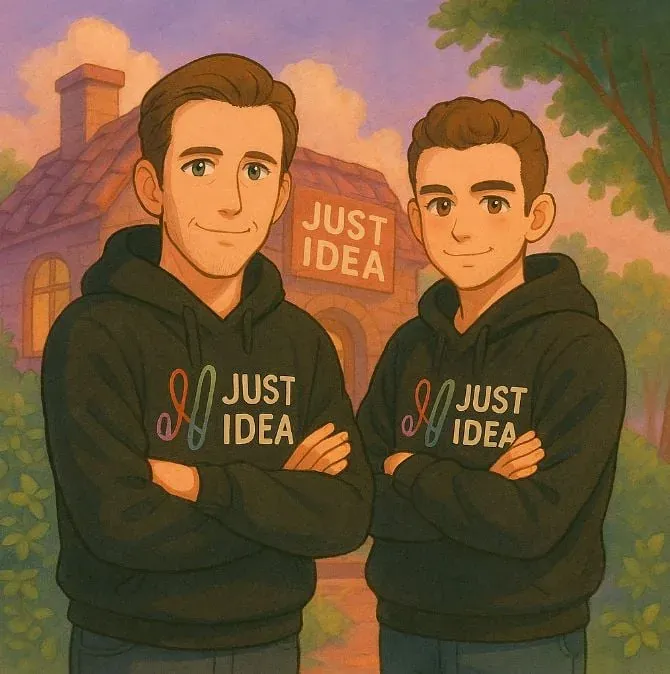
When creating an image in this style, remember that the prompt isn't just a technical instruction, it's a narrative description. ChatGPT works best when the description is full of detail: the character's emotions, the mood of the place, the source of light. Instead of writing "transform my photo", it's better to write "transform my photo into an illustration showing me in a magical forest, where glowing creatures rise from the leaves and the setting sun lights up my figure with a pastel glow". This kind of description activates the model's creative mechanisms and produces a surprisingly rich result.
ChatGPT photos in the Studio Ghibli style
Before you start creating your own images in this style, it's worth understanding how the whole process works. In the following sections, I'll walk through each step in detail: from choosing a photo to refining the prompt and working with light and atmosphere.
Step 1: Choose the right photo or describe a scene
The ideal photo to transform into the Ghibli style is one with a clearly visible face (or silhouette) and a neutral background, ideally with natural elements or natural lighting. Outdoor photos, taken at sunset or with plenty of greenery, let AI produce a more picturesque final result. Alternatively, you can describe a scene without uploading a photo at all, for example "a little girl running through a lavender field in the light of the setting sun".
Step 2: Use a specific prompt: examples
The prompt is the heart of the whole process. To get an image in the Ghibli style, it's worth using terms like: "pastel color palette", "hand-drawn textures", "inspired by Studio Ghibli", "soft light and magical scenery". Example: "Create an illustration of a boy walking through a forest, in the style of Studio Ghibli, pastel colors, natural light, subtle shading, detailed background."
Step 3: Ask for changes and fine-tune the details
It's worth knowing that ChatGPT lets you iterate: you can easily ask for changes, such as adding a forest spirit character, changing the time of day, or boosting the sunlight. This way, you build the image step by step, just like an artist refining every brushstroke.
Step 4: Experiment with light, season and emotion
It's emotion and light that build the mood. The Ghibli style allows for a full spectrum, from melancholic, misty mornings to warm summer afternoons. In your prompt, you can therefore include elements such as "golden hour lighting", "early autumn leaves", "spring breeze moving through grass". This turns every image into a personal story.
Example of a detailed prompt:
Create a highly detailed illustration in the style of Studio Ghibli, using a pastel color palette and soft hand-drawn textures. The scene should depict a young woman standing in a sunlit forest clearing during golden hour. She has long, dark hair and wears a flowing linen dress in natural earth tones. The forest around her is lush and green, with glowing particles floating in the air and a gentle breeze moving through tall grasses and wildflowers.
The light should be warm and dappled, as if the sun is setting behind the trees. In the background, add distant hills and a small, whimsical wooden house with smoke coming from the chimney. Include fantasy details typical of Ghibli, such as small forest spirits peeking from behind the trees and a floating lantern hovering nearby.
The entire scene should evoke a calm, magical, and nostalgic atmosphere. Emphasize natural beauty, emotional depth, and a subtle sense of wonder. Use soft shadows and gradients to create volume, and avoid harsh contrasts. The final composition should resemble a frame from a hand-painted animation film by Hayao Miyazaki.
If you want to get an effect based on your own photo, you can add this to the start of the prompt:
Based on the uploaded photo…
Other popular graphic styles besides Ghibli
Although Studio Ghibli's aesthetic has won users' hearts, ChatGPT can generate graphics in many other iconic styles too. If you want to change the look of your visual material, it's worth trying directions such as:
- Pixar / Disney 3D: creates warm, three-dimensional characters with soft features and plenty of expression.
- LEGO figure: turns a person into an iconic plastic LEGO minifigure.
- Comic and game styles (GTA, The Simpsons): a bold, cartoon style with a thick outline, or the aesthetic of video game key art.
- Classic painting styles: Impressionism or Cubism, which give any photo an artistic edge.
Ghibli-style photos for your team
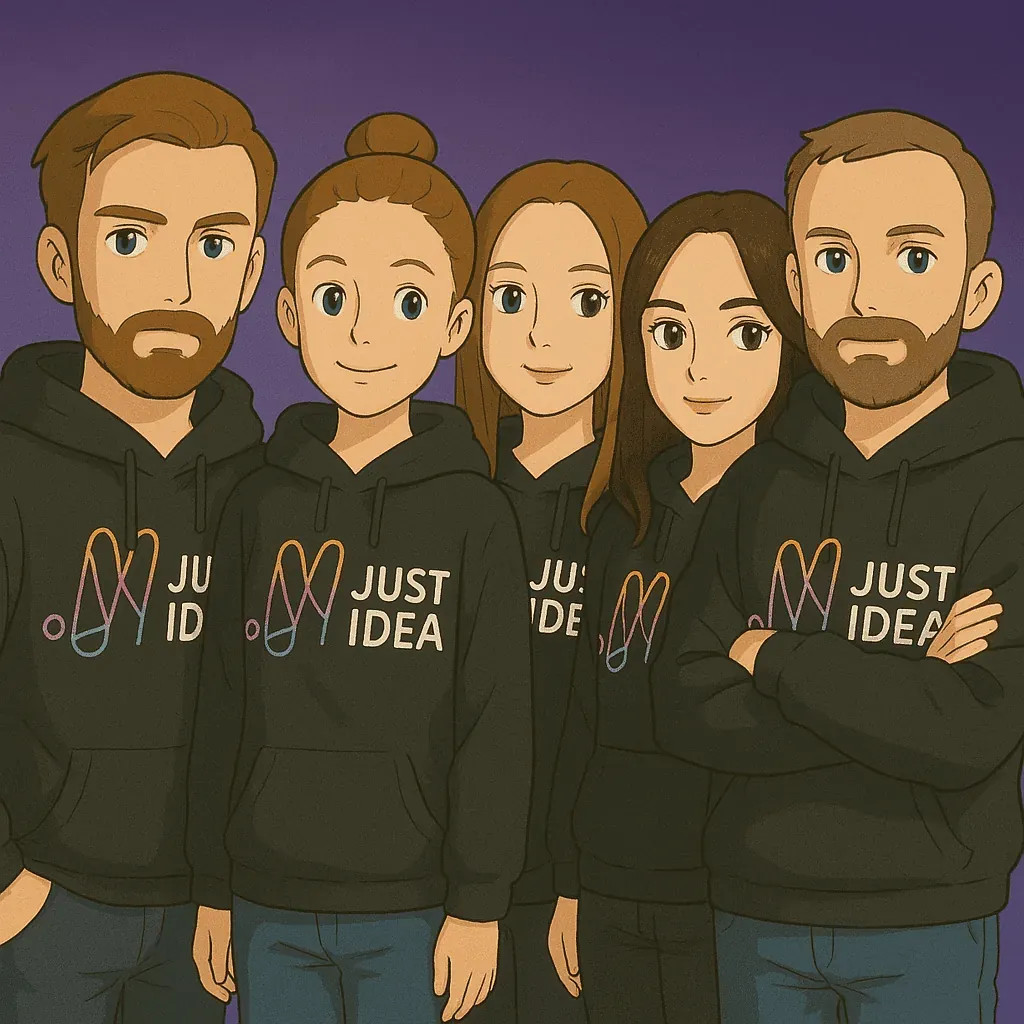
Creating Ghibli-style illustrations for your whole team isn't just a way to add variety to internal communication, it's also a great tool for team bonding and image-building. Every team member can see themselves in a fairy-tale world inspired by Hayao Miyazaki's films: surrounded by pastel light, forest spirits and an idyllic landscape. Activities like this, though seemingly light and playful, have a direct effect on team atmosphere: they build relationships, support creativity and create a shared experience that's easy to remember.
In practice, visuals like these can be used on team "about us" pages, in client presentations, or even as an avatar on the company's Slack or LinkedIn. What's more, generating these graphics is simply great fun. The process itself, choosing a scene, refining the prompt, laughing at unexpected results and commenting on each other's finished images, turns into a mini creativity workshop. It's not just a way to stand out, it's also a chance to show that real people, with a sense of humour, imagination and the ability not to take themselves too seriously, are behind the brand.
Viral dolls in ChatGPT on social media
Alongside the Ghibli aesthetic, another trend has become popular online: realistic AI action figure or Barbie-style figurines. These visuals, which look like miniature versions of users sealed inside plastic boxes, grab attention and go viral almost instantly. It's a blend of retro aesthetics and modern personal branding, a format that instantly stands out in the feed.
What are "AI action figures"?
These are hyperrealistic graphics showing people as miniature collectible figurines, sealed in packaging reminiscent of the 1990s. This trend's popularity comes from its universality: every industry, every profession, every personality can be represented this way. ChatGPT lets you create a figurine styled to match a profession: a marketer with a laptop, a hairdresser with scissors, a barista with a cup and an espresso machine.
How to add your own attributes to the doll in ChatGPT
In the prompt, you should clearly specify not just the character's appearance (clothing, hairstyle, pose), but also the items placed inside the packaging. The figure can be described as confident, with a slight smile and a distinctive facial expression. It's exactly these details that make the graphic not just visually appealing, but also grounded in a specific personal brand identity.
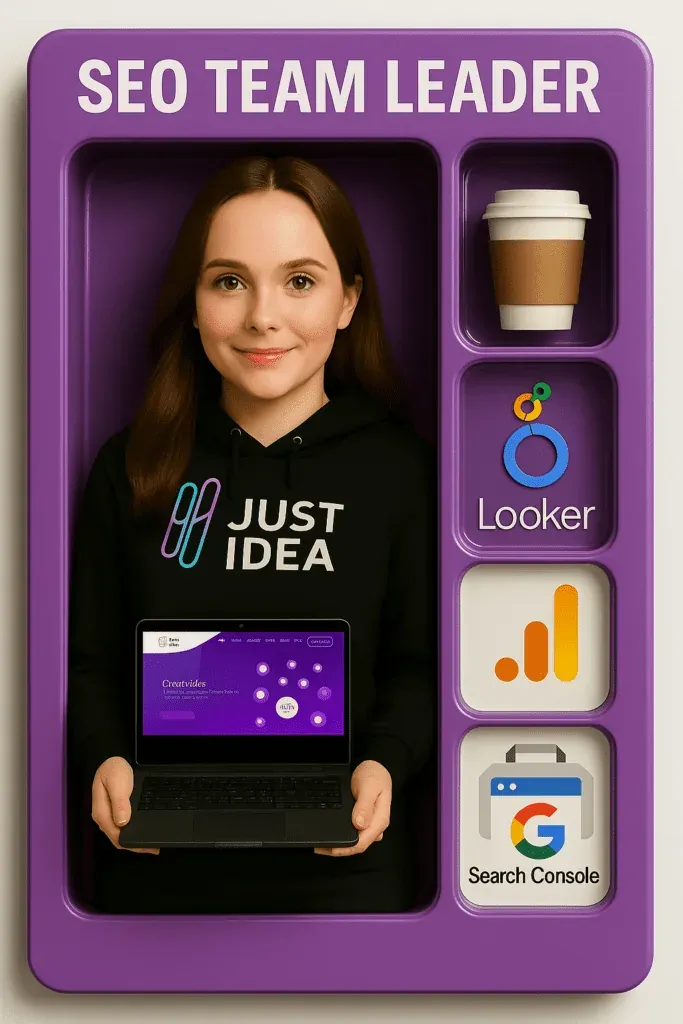
How to make a doll in a Barbie box: step by step
Here's a simple step-by-step guide to generating your own doll:
- Step 1: Choose a concept and prepare a photo. Decide whether you're generating a figure from scratch or uploading a photo. If you're uploading a photo, make sure your face, features and physiognomy are clearly visible.
- Step 2: Define the style and type of packaging. Decide whether you want a Barbie box-style package or a technical blister pack with an action figure.
- Step 3: Choose the accessories and outfit. List 3-4 key items that represent your profession or passion.
- Step 4: Build the prompt and generate the graphic. Use a precise description that accounts for lighting and 3D detail.
- Step 5: Refine the details. If the text on the packaging is wrong or the figure's facial expression needs improving, ask ChatGPT for a correction in your next message.
Ready-made prompts for different industries:
"Create a 3D realistic action figure of a young woman in a pink Barbie Box style package. She looks confident, holding a smartphone. Inside the box as accessories: a miniature laptop, a coffee cup, and a small planner. The box has 'SOCIAL MEDIA QUEEN' written on top. Bright studio lighting, detailed toy packaging."
"Generate a 3D render of a collector's action figure of a man with a beard and baseball cap in a clear plastic blister pack. Accessories inside: a tiny professional camera with a big lens, a drone, and a tripod. Professional lighting, realistic plastic textures."
"Create a realistic action figure of an athletic man standing inside a toy box. The figure is confident, wearing sportswear. Included accessories: miniature dumbbells, a water bottle, and a smart watch."
- For a Marketer / Social Media Strategist:
- For a Photographer / Video Creator:
- For a Coach / Personal Trainer:
What to do when AI makes mistakes (problems and fixes)
Sometimes the generated graphic has a garbled label on the packaging, distorted hands or the wrong facial expression. Here's how to fix it:
- Problem with the text: ChatGPT sometimes creates unreadable characters instead of the intended words. Just write: "Regenerate the image, but make sure the text on the box clearly reads 'SEO EXPERT' in bold capital letters."
- Distorted facial features: If the doll doesn't look like you, add: "Keep the hair and face features strictly based on the uploaded photo, but maintain the plastic action figure style."
- Too much clutter in the box: Reduce the number of accessories in the prompt to a maximum of three clear items.
Using Ghibli graphics and AI figurines in marketing and social media
Both of these trends can be used not just as visual novelties, but as fully-fledged branding tools. A Ghibli-style image can illustrate a brand manifesto, values, or the mood of your storytelling. A figurine can become a virtual business card, an avatar, a podcast cover or a presentation cover. In both cases, you get a graphic format that holds attention, engages emotionally and builds recognition, the three pillars of effective visual marketing.
Post format: storytelling with a graphic
Rather than posting a graphic "for its own sake", it's worth describing its context. "This is me as a collector's doll, with a planner, a microphone and a coffee, my entire professional life in one box." Or: "This is what my world would look like if Hayao Miyazaki animated it." This kind of narrative doesn't just engage, it also helps you build consistency in your communications.
How a graphic can become a podcast cover or an avatar
Thanks to the high quality of the generated images, they can successfully be used in professional materials. A Ghibli-style illustration as the cover of a storytelling podcast. A figurine as a business advisor's avatar on LinkedIn. Creations like these don't just stand out from the competition, they also become a starting point for a story about yourself, your brand, your experience, and that, as we know, is the best foundation for communication on social media.
Ethics, copyright and likeness in AI
When creating graphics with AI, it's worth keeping the basic legal rules and good practices in mind:
- Commercial rights: Under OpenAI's terms, users can also use generated images for commercial purposes (e.g. in marketing materials). It's worth remembering, though, that an image being generated by AI doesn't in itself guarantee full copyright protection. The scope of protection depends, among other things, on the applicable law and the extent of human involvement in creating the work.
- Consent to use someone's likeness: If you're creating a doll based on a photo of another person, always get their consent to process and publish their likeness.
- Trademarks: Avoid generating protected logos, well-known brand names and copyrighted characters.
- Transparency: It's good practice on social media to let your audience know that content was created with the help of AI (e.g. with the hashtag
#AIgenerated).
Your brand, the AI version
As I showed in the previous sections, the creative possibilities ChatGPT offers go far beyond ordinary conversation. Thanks to its image generation features, we can create not just illustrations inspired by the Ghibli style, but also fully-fledged visual representations of a personal brand in the form of collectible figurines. Both of these trends, though seemingly different, share one thing in common: they let you build recognition and an emotional bond with your audience in a completely new way. An image stops being just an add-on to your content and becomes a carrier of values, style and narrative. In the world of digital marketing, where authenticity, aesthetics and message consistency count, tools like these can genuinely support your communication strategy. This isn't just playing around with AI any more, it's the future of visual branding.
Also check out:
- ChatGPT in SEO: see how to use AI in SEO
- Ranking: the best AI prompt generation tools
- SEO prompts in ChatGPT: how to create and use them?
- Marketing agency
FAQ: Frequently asked questions about generating graphics in ChatGPT
Can I generate a graphic in ChatGPT on my own?
Yes, you can do it on your own without knowing any graphic design software. All you need is access to ChatGPT with the image generation feature, typing in the right prompt and, if you want, attaching a photo. The process is intuitive and requires no installation. The result usually appears after a dozen or so seconds.
What kind of photo works best for generating graphics in ChatGPT?
A photo taken from the front, with the face or silhouette clearly visible, works best. Avoid photos with filters, or ones that are very dark or overexposed. Ideally, the background should be plain or natural, for example a green setting or a light-coloured wall. A photo like this lets AI reproduce details more accurately and gives the image a more realistic character.
Can I generate photos in ChatGPT on the free plan?
Yes, free-plan users can also generate graphics, but with a limited number of generations per day. The free version works more slowly and sometimes takes patience, but it still gives you access to the image features. For people who are just starting out, this is entirely enough. If you're planning to create more graphics, it's worth considering a paid plan.
Do I have to pay to get access to the graphic generation feature in ChatGPT?
Graphic generation is available on both the free and paid versions. A paid subscription gives you greater access to the features and lets you generate more images in a shorter time.
What should I do if the graphic ChatGPT generates doesn't meet my expectations?
If the result isn't satisfactory, try adjusting the prompt by adding more detail or changing how you describe it. You can also try generating the image again to get a better result.
Does ChatGPT generate 3D graphics?
ChatGPT mainly generates 2D images, but depending on the prompt, it can create visualisations that resemble three-dimensional objects. Generating true 3D graphics requires the use of other, more advanced tools.