












Local SEO or National SEO?
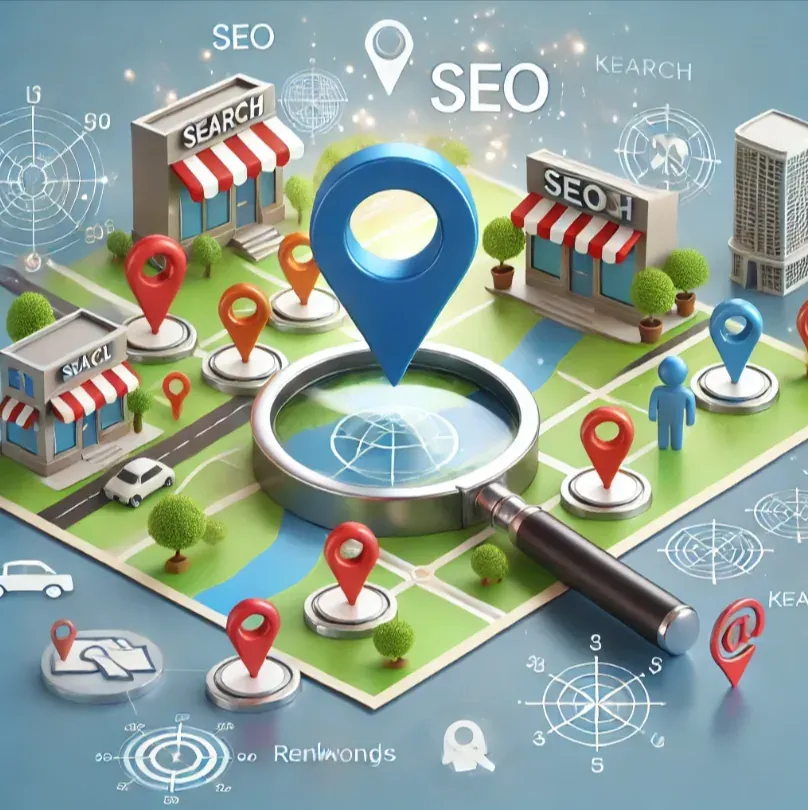
In the internet age, search engine optimisation (SEO) has become a key element of many companies' marketing strategy. For business owners, it's important to understand the differences between local and national SEO and choose the strategy best suited to their business needs.
Local SEO lets you focus on winning customers from your immediate area, while national SEO lets you reach a wider audience across the whole country. This article will help you understand the pros and cons of both approaches, and which strategy can bring greater benefits for a given type of business.
What is local SEO?
Local SEO, i.e. local search engine optimisation, is a marketing strategy focused on improving a company's visibility in the search results for a specific geographic area. It lets businesses attract customers located in their immediate surroundings.
Local SEO covers optimising a website for location-related keywords, as well as local marketing activities such as creating and managing listings on Google Business Profile and building relationships with local communities.
The goal of local SEO is to appear in the search results when potential customers are looking for products or services in the area. This lets companies increase traffic to their website and, in turn, improve their position in the local market.
What is national SEO?
National SEO is a strategy aimed at increasing a website's visibility in the search results across the whole country. Unlike local SEO, which focuses on a specific geographic region, national SEO covers a broader range of SEO activities to attract customers from different towns and regions.
Key elements of national SEO:
- A broad keyword strategy: For national SEO, it's important to use a wide range of keywords that aren't limited to a specific location. This includes both general industry-related phrases and more specific terms related to products or services.
- Content optimisation: Website content should be optimised for keywords and appealing to a wide audience. Blog articles, product descriptions, and offer pages need to be engaging and substantive to attract users from across the country.
- Link building: Acquiring backlinks from high-quality websites with national reach is a key element of national SEO. It helps build domain authority and improve rankings in the search results.
- Technical optimisation: Technical optimisation improves the experience for both users and Google's crawlers, and contributes to better search engine rankings.
- Content marketing: Publishing valuable blog content, working with influencers, and running social media campaigns helps increase a brand's reach nationally.
- Public opinion management: Customer opinions and product reviews are important for building trust among potential customers. Monitoring and responding appropriately to reviews can influence how a brand is perceived nationally.
Who is local SEO for?
Local SEO is a strategy that can bring significant benefits to many different types of businesses, especially those focused on serving the local community. It's aimed primarily at small and medium-sized businesses that offer their services or products directly on site, in a specific location. This includes:
- Businesses with physical locations: Retail shops, restaurants, cafes, beauty salons, gyms, and other similar businesses that operate in a specific geographic area and want to attract customers from their immediate surroundings.
- Mobile services: Businesses that provide on-site services, such as plumbers, electricians, food delivery providers, or renovation companies, which can gain new customers by increasing their visibility in local search results.
- Businesses with multiple branches: Larger companies with branches in different places can use local SEO to promote each location separately, allowing them to tailor their offer to regional specifics and local customer preferences.
- Businesses providing services in a specific location: This applies to hotels, guest houses, real estate agencies, or travel agencies, for example, which need to reach customers looking for accommodation or services in a given region.
- Online stores: Even online stores can benefit from local SEO, especially if they offer personal collection or delivery to a specific region. A well-optimised store listing in local search results can increase visibility in the local market and attract customers from a particular geographic area.
Optimising your Google Business Profile listing
Optimising your Google Business Profile listing (formerly Google My Business) is a key element of a local SEO strategy. It lets businesses significantly improve their visibility in local search results and attract more customers from their immediate surroundings. Here's how to effectively optimise your Google Business Profile listing:
- Complete and accurate information: Make sure all the information on your listing is complete and up to date. This includes your business name, address, phone number, opening hours, and business categories. Correct contact details increase customer trust and make it easier for them to reach your business.
- Business description: Create an attractive, concise description of your business that highlights its unique features and the products or services on offer. Use keywords related to your business and location, which will help with better rankings.
- Photos and media: Adding high-quality photos and videos showcasing your business, products, and premises can significantly increase user engagement. Remember to update your photo galleries regularly, which will encourage customers to visit your location.
- Customer reviews and ratings: Encourage customers to leave reviews and ratings on your listing. Respond to reviews, both positive and negative, which shows that you value your customers' opinions and are open to their feedback. Good reviews attract new customers and build your company's reputation.
- Posts and updates: Use the posts feature to inform customers about new products, promotions, or events. Posting regularly keeps your listing active and appealing to visitors.
- Services and products: Make sure all the services and products you offer are added to your listing with appropriate descriptions and prices. This lets customers quickly get a sense of your offering and encourages them to make a purchase.

Link Building: Links from Local Sites and Portals
Link building is a key element of any SEO strategy, and it's especially important for local SEO. This process involves acquiring backlinks from other websites, which increases your site's authority and credibility in the eyes of search engines. In the context of local SEO, getting links from local sources can significantly help improve your business's visibility in the search results.
Why are local links important?
Increased local visibility: Links from local websites, such as news portals, blogs, or business directories, signal to Google that your business matters in a given region. This helps search algorithms better understand that your business is relevant to users in a specific location, increasing the chances of a higher ranking for local search terms. The more high-quality links from local sources, the greater the chance your business will be visible to people looking for services or products in your area.
Building trust and authority: Links from local sources signal that your business is recognised and valued by other companies and organisations operating in the same community. Such links can come from sponsored articles, local events, partnerships with other businesses, or listings in local directories. This not only builds trust in the eyes of potential customers, but also raises your site's authority in Google's algorithms. As a result, your site gains greater credibility, which translates into a better position in the search results.
Increased site traffic: Links from local sources can generate direct traffic to your site. When users from your region click on links leading to your site, not only does the number of visits increase, but so does the likelihood of conversion. Local links often attract users who are already interested in your offering, which increases the chance of a sale or a new contact.
NAP Listings: What They Are and Why You Should Build Them
NAP listings (Name, Address, Phone) are entries in local business directories and sites that contain basic information about your business: its name, address, and phone number. They're a key element of local SEO, because they help consolidate and standardise information about your business across the internet.
What are NAP listings?
NAP listings are business entries placed in various local directories and on websites that present your business's basic contact details. NAP stands for Name, Address, and Phone number. Other details are sometimes added too, such as opening hours, an email address, or a link to the website. These listings help users quickly find the information they need about a business, while also strengthening local SEO through data consistency across the web.
Why are NAP listings important?
Increased local visibility: When information about your business is presented consistently across many local directories and sites, Google can more easily identify and confirm that your business exists. This can significantly improve your visibility in the search results, especially for local queries. NAP data consistency is crucial: inconsistencies can mislead the algorithms, which will negatively affect your rankings.
Building trust and credibility: Consistent, well-managed NAP listings help build trust in your business. When customers see the same name, address, and phone number across different websites, they perceive your business as more credible and professional. On the other hand, inconsistent or outdated data can lead to confusion and lost potential customers.
Improving your ranking in local search results: Google takes NAP data into account when evaluating local search results. NAP listings that are regularly updated and consistent can help your business achieve a higher position in local search results. It's also worth adding that listings in popular directories or local review sites can bring extra traffic and increase your business's visibility.
What affects a business's local SEO? Key ranking factors
Before we go further, it's worth gathering in one place the most important factors that genuinely affect a business's local SEO:
- A complete, optimised Google Business Profile: full details, business categories, photos, and regular posts.
- NAP data consistency: the same name, address, and phone number across all directories and on the site.
- Local links and citations: links and mentions from portals, directories, and sites related to your region.
- Customer reviews: their number, quality, and whether the business responds to them.
- Optimising the site for local phrases: the city or district name in titles, headings, and content.
Which industries most often use local SEO?
Local SEO is essential for businesses serving customers in a specific geographic region. Below, we present the industries that most often use local SEO and why it matters so much to them.
Food service: restaurants, cafes, and bars
Restaurants, cafes, and bars are among the most commonly locally optimised businesses. At a time when many people plan their restaurant visits at the last minute, online visibility is crucial. Customers often look for places to eat nearby by typing phrases such as “restaurant [city]” or “best cafe in [city]”.
Up-to-date information about the menu, opening hours, exact location, and reservation options is essential for attracting customers who decide on spontaneous visits. Positive reviews on Google Business Profile not only build trust in the venue, but also influence potential customers' decisions. Regularly updating photos, promoting special events, and interacting with customers online are additional elements that can significantly boost footfall at a restaurant or cafe.
Retail: brick-and-mortar shops and boutiques
Local SEO is extremely important for brick-and-mortar shops, boutiques, and shopping centres that want to increase customer footfall at their physical locations. At a time when many people check product availability online before heading to a shop, visibility in the search engine can determine success.
Optimising your Google Business Profile listing, with complete contact details, opening hours, and information about available products and promotions, can significantly increase a shop's visibility. In addition, being present in local NAP business directories and on Google Maps makes it easier for customers to find the shop and plan a visit. A high ranking for phrases related to location and product range can attract new customers looking for specific products nearby.
Healthcare: clinics, doctors' offices, and pharmacies
Healthcare services such as clinics, doctors' offices, and pharmacies rely heavily on local SEO to reach patients in their area. In urgent situations, patients often look for medical specialists or the nearest pharmacy in their location.
Visibility in local search results is essential for gaining new patients, especially for urgent healthcare needs. Patients looking for medical services type phrases such as “dentist [city]” or “pharmacy [district name]”.
A high position in the search results and positive patient reviews build trust in a facility and increase the chances of patients choosing its services. Local SEO also supports the promotion of specialist services, which can be decisive for patients looking for specific help in a given region.
Home and renovation services: plumbers, electricians, cleaning companies
Businesses offering home services, such as plumbers, electricians, cleaning companies, or renovation firms, depend heavily on local customers. In these industries, speed and trust are crucial, which makes local SEO an indispensable part of the marketing strategy.
Local SEO lets businesses reach people who need fast, professional help at home. Customers often type phrases such as “electrician [city]” or “cleaning company [city]”, hoping for a quick solution to their problem.
A well-optimised website with detailed information about the services on offer, pricing, and availability can significantly increase the number of enquiries. Customer reviews play a huge role here: positive reviews can convince new customers to use the company's services.
Education and courses: language schools and education centres
Language schools, education centres, and vocational courses also rely heavily on local SEO to attract students from the surrounding area. Nowadays, education often starts with a search engine, where parents and students look for the best educational options nearby.
Thanks to local SEO, schools and education centres can effectively reach people looking for learning or skill-development opportunities in their area. Optimising a website for phrases such as “language school in [city]” can attract more interested people.
A well-designed site with an up-to-date course offering, class schedules, and information about the teaching staff helps build trust and increases conversion. Local SEO also supports the promotion of special courses and educational events, which can attract new students.
Legal services: law firms and financial advisors
Law firms and financial advisors are also industries that make heavy use of local SEO. In such competitive sectors, building online visibility and authority is crucial for attracting new clients.
For law firms and financial advisors, local SEO makes it possible to reach clients who are looking for specialist legal help in their area. Optimising the site for phrases such as “lawyer in [city]” increases the chances of gaining new clients.
In addition, positive reviews and opinions about a firm's services can build trust and persuade people who need legal help to choose that particular firm. Local SEO also supports building long-term client relationships by promoting the firm's specialist services and successes in a given region.
Fitness and recreation: gyms and recreation centres
Gyms, sports clubs, and recreation centres rely heavily on local SEO to attract new members from the surrounding area. In this industry, building visibility and persuading the local community to choose these particular services is key.
Optimising for local SEO makes gyms and recreation centres more visible to people looking for places to work out nearby. Phrases such as “gym near me” or “fitness classes in [city]” are often typed by people looking for new places to train.
A well-optimised website with information about the classes on offer, opening hours, and promotions can attract new customers. Regularly updating the offer and interacting with community members online helps build customer loyalty and encourages them to keep using the service long-term.
Tourism and accommodation: hotels and travel agencies
Hotels, guest houses, travel agencies, and tour guides often use local SEO to reach tourists visiting a given location. Visibility in the search results for phrases such as “hotel in [city]” or “accommodation near tourist attractions” is crucial for attracting guests.
Local SEO lets tourism businesses effectively reach people planning trips and looking for accommodation in a given region. Optimising the site for local keywords, publishing up-to-date photos, and promoting local attractions can significantly increase bookings. Positive guest reviews, a high rating, and visibility on Google Maps help build trust and persuade potential customers to choose a given property or service.
Who is national SEO for?
National SEO is an SEO strategy aimed at businesses looking to increase their visibility across the whole country. This type of SEO makes it possible to reach customers from different regions of Poland, regardless of their location, which is especially relevant for businesses with a wide scope of operation. Below, we describe who national SEO is particularly beneficial for:
1. Online stores
Online stores are one of the main beneficiaries of national SEO. Unlike local businesses, online stores aren't limited to a physical location, letting them serve customers from across the country and even from abroad. Thanks to national SEO, such businesses can significantly increase their visibility in the search results, which translates into more site traffic and higher sales.
Regardless of where potential customers are located, stores can compete effectively with other players in the market by offering their products across the whole country. High rankings for popular product keywords also help build brand recognition and increase customer loyalty.
Stores that invest in nationwide SEO can attract customers at various stages of the buying process, from initial research through to completing a purchase.
2. Companies offering services across the whole country
Businesses that provide services across the whole of Poland, such as courier companies, marketing agencies, construction firms, or software providers, can benefit greatly from national SEO. These kinds of companies need to reach a wide range of customers from different regions to grow their business effectively.
National SEO lets these companies build a strong, recognisable brand nationwide. High visibility in the search results for a variety of phrases related to the services offered helps reach customers looking for specific solutions, regardless of their location. This lets companies earn the trust of customers from different parts of Poland, which is crucial for their long-term success.
For service businesses, national-level SEO makes it possible to scale operations without needing a physical presence in every region. Thanks to an effective SEO strategy, they can reach customers from different cities and smaller towns, which translates into more orders and revenue. Gaining customers from different regions is also important for building the business's resilience to local market changes.
3. Brands with a wide reach
Large brands and corporations operating in the national market often use national SEO to strengthen their online presence. For such companies, it's important to be easily accessible and visible to customers regardless of the region they're in.
National SEO makes it possible to effectively build brand recognition across the whole country. High rankings in the search results let companies reach a wide audience, which is crucial for building customer loyalty and trust. A regular presence at the top of the search results helps keep the brand front of mind for consumers, which has a direct impact on sales results.
For large brands, competing in the national market means having to constantly monitor and adjust their SEO strategy. National SEO lets companies compete effectively with other players that also aspire to dominate the national market. This allows them not only to maintain their position, but also to gain an edge over rivals through better visibility and accessibility to customers across Poland.
4. Franchises and retail chains
Retail chains and franchises operating in multiple locations can benefit significantly from national SEO. These kinds of businesses often operate on a large scale, with numerous points of sale in different parts of the country, so they need an SEO strategy that lets them reach customers in every region.
National SEO lets retail chains and franchises effectively promote all their locations, whether they're in large cities or smaller towns. With well-optimised websites and local subpages, businesses can reach customers in every region, increasing footfall at their outlets. This, in turn, translates into better sales results and a stronger market position.
For retail chains, it's important that all their branches are seen as part of a consistent, trusted brand. National SEO allows brand consolidation at the national level, which strengthens the brand's image and makes it easier for customers to recognise and trust individual points of sale. A well-managed SEO strategy ensures that, regardless of location, every branch of the chain is well visible and easily accessible to customers.
5. Companies with expansion ambitions
Businesses planning growth and expansion into new markets can use national SEO to prepare for future growth. Introducing the brand at a national level lets you build brand awareness and win new customers even before physically expanding.
National SEO lets companies build a customer base and brand recognition in new markets before they've even invested in a physical presence in those regions. This lets businesses test different markets and identify the areas with the greatest growth potential. This, in turn, allows for better preparation for future expansion, minimising risk and increasing the chances of success.
Before a company decides to open new branches or enter new markets, national SEO lets it strengthen its brand on a national scale. Building a strong online presence and brand recognition across the country makes customers more willing to use the company's new services or products when they appear in their local market. This makes expansion more effective, and lets the company achieve success in new markets faster.
How does local SEO differ from national SEO?
Before deciding on local or national SEO, it's worth understanding how these two strategies differ and what results they can bring. Choosing the right strategy depends on the specifics of your business, your goals, and the market you want to operate in.
Local vs national SEO: how do they differ in geographic reach?
Local SEO focuses on optimising a website for the search results in a specific region, such as a city, a voivodeship (a Polish administrative province), or a particular district. The goal is to attract customers looking for products or services in your area. An example would be a building supplies shop in Gdańsk that wants to reach residents of the Tricity area (the Gdańsk-Gdynia-Sopot conurbation).
National SEO is a strategy aimed at increasing a website's visibility at the national level. It's an ideal solution for companies that offer their products or services across the whole country and want to reach a wide audience. For example, an online clothing retailer could use national SEO to attract customers from different regions of Poland.
Differences in competition: how do local and national SEO affect rivalry?
Less competition in local SEO
Local SEO usually involves less competition, meaning achieving high rankings in the search results can be easier and faster. However, in large cities such as Warsaw or Kraków, competition within specific industries can be just as fierce as with national SEO.
More competition in national SEO
National SEO involves more competition, because you're competing for users' attention at a national level. Achieving high rankings in the search results may require more advanced SEO strategies and a greater investment of resources.
Keywords in local and national SEO: what should you pay attention to?
With local SEO, site optimisation focuses on keywords that include geographic elements, such as the name of a city, region, or district. Example phrases might include “hairdresser Katowice” or “restaurant Poznań Old Town”. This makes your site more visible to local users looking for specific services in their area.
National SEO: broader keywords for greater visibility
National SEO focuses on more general keywords that can attract customers from across the country. Examples include “cheap flights” or “clothes online”. However, it's worth remembering that competition for these phrases is much greater, requiring a carefully thought-out SEO strategy.
Local vs national SEO costs: which is more cost-effective?
Lower costs for local SEO
Local SEO is often cheaper, because it targets a smaller market and usually involves less competitive keywords. This is especially beneficial for small and medium-sized businesses that want to optimise their marketing spend.
Higher costs for national SEO
National SEO usually comes with higher costs, both in terms of site optimisation and promotional activities. The need to compete on a broad scale and achieve high visibility in the search results at a national level may require larger investments.
Results of local and national SEO: what can you gain?
Fast results from local SEO
Local SEO can produce quick results, especially if your site is well optimised and aimed at users from a specific region. For local businesses such as cafes, hairdressers, or car repair shops, local SEO is often the most effective strategy.
Long-term benefits of national SEO
National SEO may take more time to produce visible results, but it can bring greater benefits in the long run. It's an ideal solution for companies planning national market expansion that want to build a strong brand and reach a wide audience.
Local or national SEO: where is it easier to succeed?
When wondering whether local SEO is easier or cheaper than national SEO, it's worth looking at a few key factors that affect the final cost and difficulty of SEO efforts. Whichever strategy you choose, local or national, there can be different challenges and costs depending on the specifics of your industry and the region you want to focus on.
Industry and regional competitiveness: a decisive factor in SEO costs
Local SEO is often associated with lower costs and faster results, but reality can be more complex. For highly competitive industries such as food service, healthcare, or beauty in large cities such as Warsaw, Kraków, or Wrocław, the cost of local SEO can be comparable to national SEO. Strong competition in a region can require significant investment to achieve visibility in the local search results.
Flexibility of your SEO strategy: adapting it to your business
Every business has unique needs and goals that should determine its choice of SEO strategy. For some businesses, the best solution will be local SEO, focused on winning customers from a specific region, while other companies will benefit from national activities. It's worth remembering that both local and national SEO can come with different challenges and costs, depending on the specifics of the industry and target market.
How can different industries approach SEO?
- A construction company operating in Warsaw: It might choose local SEO, but because of the strong competition in the capital, the cost of the work can be high, and achieving a high position in the search results may require significant resources.
- An online store selling unique handmade crafts: For a business like this, national SEO can be more cost-effective if the niche it operates in isn't too competitive. This makes it possible to achieve a high position in the national search results at a relatively low cost.
Success in SEO: it depends on individual needs and strategy
In summary, it's hard to say definitively which strategy (local or national) is easier or cheaper. The key to success in SEO is adapting the strategy to the specifics of your business, the competitiveness of your industry, and the needs of your target market. Analysing these factors will let you better estimate the costs and potential results of your SEO efforts, enabling you to make the right decision and use your online marketing budget effectively.
Which SEO strategy should you choose?
The choice between local and national SEO depends on several important factors that are worth analysing carefully.
Are your customers local, or do they come from across the country?
The first step in choosing an SEO strategy is assessing your target market. If your customers are mainly local, and your business provides services or sells products in a specific region, local SEO may be the best choice. Local keywords such as “hairdresser Gdynia” or “computer repair Białystok” will help attract customers from a specific area.
On the other hand, if your products or services are available to customers across the whole country, national SEO can prove more effective. Examples of such businesses include online stores, courier companies, or firms offering consulting services nationwide. In this case, it's worth focusing on more general keywords that will appeal to customers from different regions.
Analysing competition: how competitive is your industry?
Another important factor is analysing your competition. It's worth considering how much competition there is in your industry and at what level you need to compete for customer attention. For very competitive industries, whether local or national, it may be necessary to invest in more advanced SEO techniques and a longer period of activity to achieve satisfactory results.
If competition is lower, for example in niche industries or less populated regions, SEO can be easier and less costly. In such cases, both a local and a national strategy can produce fast, effective results.
Budget and resources: what can you spend on SEO?
Budget is another key factor that should influence your choice of SEO strategy. National SEO usually requires a bigger financial outlay, because of the greater competition and the need for broad reach. This includes more advanced SEO techniques, investment in content marketing, and link building at a national level.
Local SEO can be cheaper, especially in less competitive regions, but for large cities and popular industries, the costs can be comparable to national SEO. It's crucial to realistically assess your financial capacity and the resources you can allocate to SEO efforts. It's also worth considering supporting your organic efforts with a locally targeted Google Ads campaign: this lets you test more quickly which keywords genuinely attract customers before you fully commit to long-term SEO (so-called local SEO).
Business goals: what do you want to achieve with SEO?
Your business goals should also influence your choice of SEO strategy. If you care about fast growth and gaining customers in a short time, local SEO can be more effective, especially if you operate in a region with less competition. For brick-and-mortar businesses such as restaurants, hair salons, or car repair shops, local visibility can quickly translate into more customers.
On the other hand, if your goal is to build a strong brand at the national level and pursue long-term growth, national SEO may be more suitable. Although it requires a bigger investment and more time, the results in terms of growing brand recognition and reach can be more lasting.
The decision: how do you choose the best SEO strategy for your business?
In summary, choosing an SEO strategy (local or national) depends on many factors, such as your target market, competition, budget, and business goals. To make the best decision, it's worth carefully analysing your situation, understanding the needs of your business and customers, and consulting SEO experts who can help you choose the right strategy. Whichever option you choose, a well-thought-out SEO strategy is the key to success in online marketing.
Can I use local and national SEO at the same time?
Many business owners wonder whether it's possible to use local and national SEO at the same time to maximise their company's online visibility. The answer is: yes, it's absolutely possible, and in many cases even advisable. Combining both strategies can produce excellent results, especially for businesses operating in both the local and national markets.
What are the benefits of using local and national SEO together?
By using local and national SEO at the same time, you can significantly increase your business's reach. Local customers looking for services or products in their area will easily find your business thanks to local SEO. National SEO, meanwhile, will let you reach a wider audience across the whole country, which is especially beneficial if you offer products or services available online, or operate in industries that aren't limited to one region.
Different customers have different needs: some look for services or products in their immediate area, while others prefer shopping nationally, where they can compare offers from different parts of the country. By using local and national SEO together, you can better tailor your strategy to different customer segments. For example, if you run a brick-and-mortar shop with an online purchasing option, you can attract both local customers to your physical shop and customers from other regions to your e-commerce platform.
Combining local and national SEO can also help strengthen your position in the search results. Google increasingly favours locally matched results, but doesn't neglect global or national results either. Thanks to the synergy of both strategies, you can achieve high rankings for both local and national keywords, significantly increasing your visibility online.
How do you effectively combine local and national SEO?
To effectively combine local and national SEO, it's worth starting with a thorough optimisation of your website. It should include content tailored to both strategies. For example, the homepage and product pages can focus on national keywords, while the blog, articles, and contact and location pages can feature local SEO-related phrases.
As part of local SEO, it's also extremely important to use Google Business Profile and other local SEO tools, such as local business directories, customer reviews, or local links. A Google Business Profile listing lets your business appear on Google Maps and in local search results, which is essential for attracting customers from the area.
Creating content tailored to different audience segments is another step in combining both strategies. You can publish blog articles aimed both at local customers (e.g. “The Best Restaurants in Kraków”) and at a national audience (e.g. “How to Choose a Restaurant for a Romantic Dinner”). This will let your site attract traffic from different regions and for different keywords.
Is combining local and national SEO right for every business?
While combining both strategies can bring many benefits, it isn't always necessary for every business. The choice depends on the specifics of your business, the market you operate in, and the goals you want to achieve. Businesses that operate purely locally can focus on local SEO, while those planning national expansion should consider combining both strategies to maximise their visibility.
Summary
Choosing an SEO strategy (local or national) is a key element of your business's success online. Both strategies have their own unique advantages and challenges, and their effectiveness depends on many factors. With the right website optimisation, the use of Google Business Profile, and content tailored to different audience groups, you can effectively combine local and national SEO, maximising the benefits of SEO.
It's worth remembering that your final choice of strategy should be carefully thought out and tailored to the specifics of your business. Consulting SEO experts will help you make the right decision and plan activities that bring the best results in both the local and national markets.
FAQ: Frequently Asked Questions
How long does local SEO take?
The first results are usually visible after a few weeks to 3 months, but lasting results and high rankings for key phrases usually take 6-12 months of consistent work to build.
How much does local SEO cost?
The cost depends on how competitive your industry and region are, the scope of activities, and the number of locations: for less competitive local niches, it tends to be lower than for national SEO, but pricing should always be tailored individually.
What's the difference between local and national SEO, in short?
Local SEO focuses on visibility in a specific region and phrases with a place name, while national SEO focuses on reaching customers from across Poland with broader, more competitive phrases.
Is it worth combining local and national SEO?
Yes, if your business serves both local customers and customers from across the country: combining both strategies lets you reach a wider audience without giving up either market.
Check out these as well: